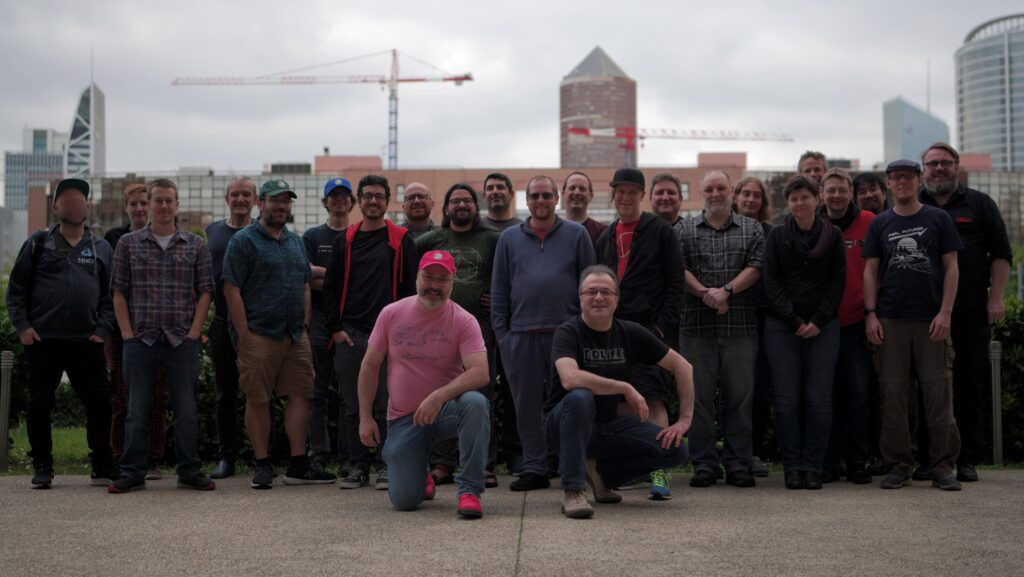
- Maintainers and authors are found everywhere throughout our dependency trees. This includes the authors of the tooling others use for maintaining, building, testing, writing and running the infrastructure they depend on. Even maintainers depend on other maintainers.
- Maintainers’ mental health and well-being is also a dependency.
- So is their outlook on the sustainability of their projects, both in personal, technical, systemic and economic respects.
This means that personal, technical, systemic and economic well-being in the end are all actual and real dependencies for the businesses that rely on these people and their projects.
What can an ecosystem provide to make the lives of these maintainers easier in this regard?
Here are a few suggestions.
- Ensure that sustainability metadata fields (intended to be kept up-to-date by maintainers and authors) is specified and made available. These fields may include…
- Project life-cycle status (supported, support-period end date, unsupported, replaced, discouraged, abandoned).
- Project sustainability status (available for adoption, needs help, is available for a managed hand-off, requests funding, under custodianship).
- And related metadata, like…
- Links to funding services that are available or preferred.
- Recommended alternative projects.
- Relevant CE conformity information.
- …or whatever else helps end users and businesses decide to support their open source colleagues and second-party component providers.
- Ecosystem tooling and infrastructure communicates this metadata to their downstream users and consumers.
- (Bonus) Up-river maintainers are invited to events that are specifically suited for their needs, free of cost, where they may learn and share new developments from and with their peers.
But why?
Mostly because businesses usually don’t have the tuits to figure out this information (even if it is available). Lowering “the bar for caring” with a few metadata fields may at least increase the possibility for these businesses to make a difference for their upstream component maintainers— a possibility that for many won’t exist unless their ecosystems help by enabling the communication of project sustainability metadata.